
10 Questions to Ask During School Open Day Visits
Pupil-teacher ratio, teacher turnover, the full first-year cost, fee increases, refunds, safety and more — ten questions to ask on school visits, with what a good answer sounds like.
InstiWise Editorial
28 May 2026
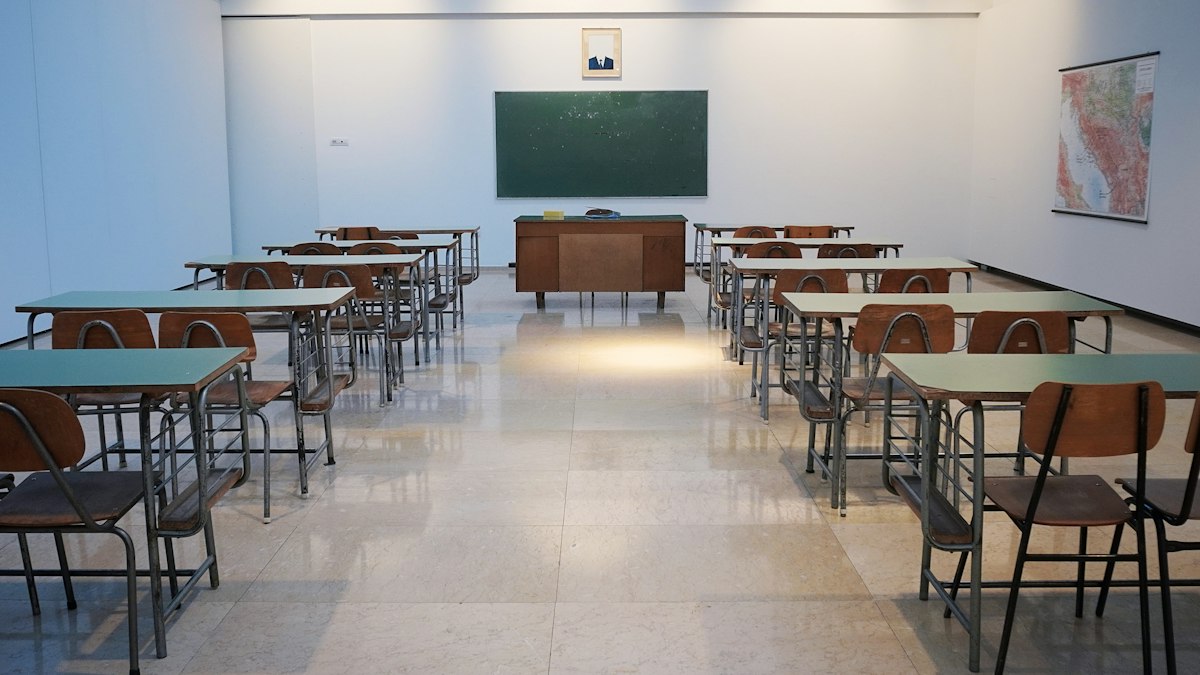
School open days are designed to impress. You see the best-kept classrooms, the new science lab and a smiling admissions team. What you usually don't see is how an ordinary Tuesday feels for a child in that school, what the fees will be in five years, or how the school behaves when something goes wrong.
These ten questions get you past the tour. For each one we explain why it matters and what a good answer sounds like, so you can compare schools on the same terms. Take this list with you, write the answers down during the visit, and compare them at home when the excitement has worn off.
Before the visit: three things to check
- Age eligibility. The Ministry of Education has asked states to set six years as the minimum age for Class 1, in line with the National Education Policy 2020, and many states and schools now follow this — though the exact cut-off date varies. Check your child's age on the school's cut-off date with our school admission age calculator before you fall in love with a school.
- The board. CBSE, ICSE, IB, Cambridge and state boards differ in syllabus, assessment and how easily a child can switch schools or cities later. Decide what matters to your family first.
- The RTE quota. Under the Right to Education Act, private unaided schools must reserve 25% of seats at the entry level for children from economically weaker and disadvantaged groups, with fees reimbursed by the state. If you may be eligible, the application usually goes through your state's online RTE portal, often months before regular admissions.
Academics
1. What is the pupil-teacher ratio in my child's class?
Ask for the number of students in your child's specific section, not the school average — averages include small senior classes and specialist teachers. For primary classes, 25 or fewer students per section is comfortable; above 40, individual attention becomes difficult regardless of teacher quality.
Good answer: a clear number for the section, and how many adults are in the room (for younger children, is there an assistant teacher?).
2. How long do teachers usually stay?
Teacher turnover is one of the best hidden predictors of school quality. A school that loses a third of its teachers every year has a management problem, and children feel it through changed teachers mid-year and inconsistent teaching.
Ask: "How many teachers in the primary (or middle) section have been here more than three years?" A school proud of its staff will answer happily. A vague answer is itself an answer.
3. How do you handle a child who falls behind — or races ahead?
Every child struggles at some point. Listen for a concrete answer: remedial classes, a learning support teacher, small-group sessions, communication with parents, or a special educator for learning difficulties. Ask the same about children who are ahead — are they given more challenging work, or simply told to wait?
Red flag: "Every child is special here" with nothing specific behind it.
Money
4. What is the complete first-year cost?
Fee structures are often split across many headings. Ask for one figure for the first year that includes:
- admission or registration fee,
- caution money or security deposit,
- tuition fee,
- annual or development charges,
- books, uniform and stationery,
- transport,
- activity, lab, computer and excursion fees,
- meals, if provided.
Get it in writing. The difference between the "tuition fee" and the real first-year cost can be surprisingly large.
5. How much have fees gone up in the last three years?
You are not choosing a school for one year; you are choosing it for up to fourteen. A school that raised fees by 12–15% a year will probably keep doing so. Multiply this year's fee by the likely yearly increase over your child's remaining school years, and check whether it still fits your budget.
Several states — including Gujarat, Maharashtra and Uttar Pradesh — have laws that regulate fee increases in private schools. If your state has one, ask how the school's increases are approved.
6. What is refundable if we leave?
Circumstances change — a job transfer, a move, or a school that simply isn't working for your child. Ask what happens to the caution deposit and to fees paid in advance for a term or quarter if you withdraw. Ask for the policy in writing.
Daily life
7. What does a normal day look like for my child's class?
Ask for the actual timetable. How long are school hours? How much time goes to outdoor play and sport each week? How much homework is typical at this age? How much screen time happens in class? For young children in particular, a school day that is all desk work is a warning sign, however good the results look.
8. How does the school communicate with parents?
Some schools use a daily app, others a diary, others only term-end parent-teacher meetings. Ask:
- How often will I hear about my child's progress?
- How do I reach the class teacher if something is wrong, and how quickly will they reply?
- Are parent-teacher meetings individual, or a queue in a hall?
Good communication matters most when something goes wrong, and you want to know the route before you need it.
9. What is your policy on discipline, bullying and safety?
Every school has a written policy. What you want to know is how it works in practice. Ask for an example of how a recent incident was handled (without names). Also ask about safety basics: CCTV in common areas, verification of staff and transport drivers, a female attendant on school buses, and who a child can go to if they feel unsafe.
Good answer: calm, specific, and not defensive.
10. Can I speak to two current parents?
Confident schools will happily connect you with parents, or will tell you when the parents' association meets. Current parents will tell you things no brochure will — about fee increases, teacher changes, homework load and how the school responds to complaints.
If the school won't arrange it, try speaking to parents at the gate at pickup time. Most are glad to help.
After the visit
Within a day of each visit, while details are fresh, write down:
- the answers to all ten questions,
- the full first-year cost and the likely cost in five years,
- your honest gut feeling — and your child's, if they came along.
Then compare schools side by side. It is common for the school that impressed most on the day to look less convincing on paper, and the reverse.
You can shortlist schools before booking visits using InstiWise, where school listings show board, classes, facilities, fees where published, and parent reviews. For example, see CBSE schools in Delhi, schools in Pune, schools in Bangalore, CBSE schools in Lucknow and preschools in Dehradun.
Frequently asked questions
How many schools should we visit? Three or four is usually enough to see the differences clearly without becoming overwhelmed.
Should our child come to the open day? For children over five, yes. How your child reacts to a place is useful information, and many schools let children join a short activity.
Is a higher fee a sign of a better school? Not reliably. Fees reflect infrastructure, location and brand as much as teaching quality. The questions above tell you more than the fee does.
When should we start looking? Many private schools open admissions for the next academic year between October and January, and popular schools fill early. Start shortlisting at least six months before the session begins.
Looking for coaching or schools?
Compare verified institutions with real fees and reviews on InstiWise.
Explore Institutions